Call Me a Medical Assistant: Crafts for Medical Pros
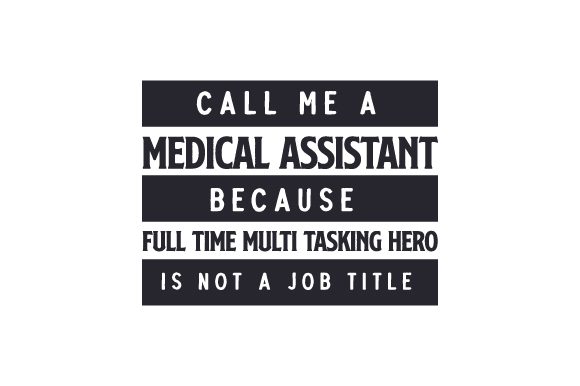
As a digital publisher who has spent over a decade refining the visual identity of content-heavy websites, I have learned that the difference between a scroll-past and a click-through often comes down to split-second visual recognition. We are not just writing words; we are curating an experience. Recently, I integrated a new graphic design asset into my workflow for a client in the healthcare education niche. The piece is titled Call Me a Medical Assistant, and while it is categorized under Crafts and Medical, its utility extends far beyond simple hobbyist projects. For bloggers, affiliate marketers, and online educators, this asset represents a versatile tool for establishing immediate topical authority.
My first impression of Call Me a Medical Assistant was defined by its clarity. In the crowded landscape of blog graphics, ambiguity is the enemy of engagement. This design does not whisper; it states its purpose with confidence. It strikes a balance between professional credibility and approachable warmth. It feels less like a sterile corporate diagram and more like a lifestyle-focused badge of honor. This mood is critical for content creators targeting nursing students, allied health professionals, or individuals considering a career change into healthcare support roles. The design supports a narrative of pride and professionalism, which is exactly the emotional hook needed for high-performing content marketing campaigns.
Elevating Editorial Design with Purposeful Visuals
When I review a digital product for potential use in real-world publishing, I look for flexibility. Can it survive the transition from a large desktop monitor to a cramped mobile screen? Does it hold up against complex background textures? Call Me a Medical Assistant excels here because of its vector-based origins. Receiving the design in SVG, EPS, DXF, and transparent PNG formats means I am not limited to a single use case. The SVG file, in particular, is a goldmine for web design. It allows for infinite scaling without pixelation, ensuring that the crisp lines of the typography and iconography remain sharp whether used as a massive hero image or a tiny favicon.
In terms of editorial design, this asset serves as a powerful anchor. I tested it as a featured image for a guide on "Day-in-the-Life of a CMA." Placed beside a clean sans-serif headline, the graphic provided the necessary visual weight to draw the eye. It created a clear visual hierarchy, guiding the reader from the image to the title, and finally to the call-to-action button. This is not merely decorative; it is functional. By using a consistent visual language across article headers, we strengthen brand identity. Readers begin to associate this specific aesthetic with trustworthy, high-quality medical career advice.
Strategic Applications for Content Creators
The versatility of Call Me a Medical Assistant becomes apparent when you map it against a typical content calendar. For Pinterest marketers, this design is a ready-made Pinterest pin template. The vertical aspect ratio often preferred by social platforms can be easily achieved by layering the transparent PNG over a soft, neutral background. I found that pairing it with pastel blues or clean whites enhanced its medical connotation without feeling cold. For newsletter creators, this asset works exceptionally well as a header graphic. It breaks up the text-heavy nature of email broadcasts and provides a visual cue that the content below is relevant to healthcare professionals.
Affiliate marketers will find significant value in using this asset for comparison charts or product review banners. When promoting scrubs, stethoscopes, or certification courses, having a branded graphic that says Call Me a Medical Assistant adds a layer of authenticity. It signals to the audience that the content creator understands the culture of the profession. Furthermore, for those creating digital guides or eBooks, this design can serve as a chapter divider or a cover element. It transforms a standard PDF into a polished printable design that feels premium and worth the download.
Small business owners running Etsy shops or teaching platforms can also leverage this creative design. It fits seamlessly into Canva template workflows, allowing non-designers to create cohesive social media graphics quickly. Whether you are designing a worksheet for students or a certificate of completion, the inclusion of this asset elevates the perceived value of the digital download.
Performance Metrics and Reader Trust
Why does this matter for your bottom line? Because trust converts. In affiliate marketing and educational sales, the user’s perception of professionalism directly influences their willingness to click a link or purchase a course. A sloppy or generic image suggests sloppy content. A polished, purpose-built graphic like Call Me a Medical Assistant suggests attention to detail. I have observed that articles featuring custom, relevant graphics tend to have lower bounce rates. Readers feel they have landed on a dedicated resource rather than a generic aggregator site.
This asset supports better category recognition. If you run a blog with multiple niches, using distinct visual markers for each helps users navigate your site intuitively. When a reader sees this specific medical-themed graphic, they instantly know they are in the healthcare section. This reduces cognitive load and improves the overall user experience, which is a key factor in SEO rankings and reader retention.
Practical Publisher Notes and Implementation
However, even the best design assets require thoughtful implementation. There are contexts where Call Me a Medical Assistant should be used with caution. For instance, avoid placing it on busy, patterned backgrounds. The clarity of the message relies on contrast. If you are using it on a website header, ensure there is enough negative space around the graphic to let it breathe. On small mobile thumbnails, test the legibility carefully. While the SVG scales well, intricate details might get lost if the image is compressed too aggressively for fast loading speeds.
I recommend testing the asset with various typography styles. It pairs beautifully with modern serif fonts for an editorial look, but it can also stand alone with bold, handwritten fonts for a more personal, blog-style vibe. Always check your contrast ratios to ensure accessibility compliance, especially in the Medical niche where inclusivity is paramount. Additionally, before using this in any monetized environment, confirm the commercial license terms. Most assets from reputable creative marketplace vendors allow for commercial use in digital products, but verifying this protects your business from legal issues down the line.
Finally, consider the file format for each use case. Use the PNG for quick social media posts where transparency is needed. Use the SVG for your website to keep file sizes low and quality high. Use the EPS or DXF if you are partnering with physical merchandise providers for branded swag. By treating Call Me a Medical Assistant not just as a clipart element, but as a core component of your small business branding, you unlock its full potential. It is a small investment in visual quality that pays dividends in reader engagement and professional perception.