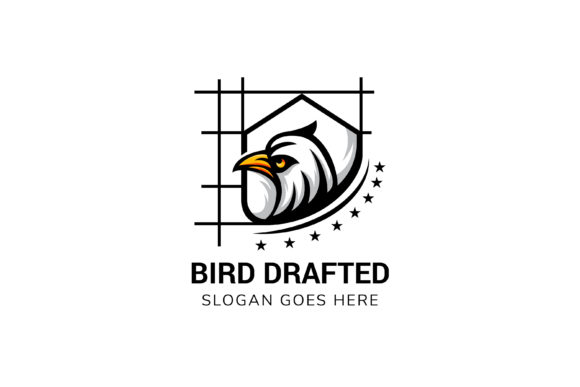
Eagle Drafted Contractor Logo: A Designer’s Review
As a designer who has spent countless hours digitizing logos and troubleshooting stitch-outs on everything from stiff canvas to delicate knits, I approach every new machine embroidery design with a healthy dose of skepticism. We have all been there: you download a file that looks crisp on the screen, only to watch it turn into a tangled mess of thread breaks and puckering on the hoop. That is why evaluating the Eagle Drafted Contractor Logo required more than just a glance at the preview image. I needed to understand how this graphic translates from a digital asset into a tangible, stitched reality.
The first impression of this design is one of structured authority. The combination of an eagle motif with drafting or construction elements creates a visual language that speaks directly to reliability, precision, and strength. For contractors, architects, and tradespeople, branding is not just about aesthetics; it is about instilling trust. This logo captures that sentiment effectively. However, my primary concern as an embroidery specialist is always the transition from vector lines to thread paths. Since the product description notes that all graphics are 100% vector and well-organized, there is a strong foundation for clean digitizing. Vector-based source files typically allow for smoother curves and sharper corners, which is critical when dealing with the geometric lines often found in construction-themed logos.
Real-World Application: The Workwear Test
To truly gauge the utility of the Eagle Drafted Contractor Logo, I imagined a specific real-life scenario. Picture a local general contractor who wants to upgrade his team’s appearance. He approaches you, an Etsy seller or small shop owner, requesting custom embroidered polos and heavy-duty tote bags for his crew. This is where the rubber meets the road. The design needs to look professional on a chest pocket, yet durable enough to withstand daily wear and tear.
In this context, the layout of the eagle and the draft construction elements becomes crucial. If the design relies heavily on fine details or extremely thin lines, it may get lost on textured fabrics like pique polo shirts or rough canvas totes. However, because this is marketed as a high-resolution template with editable text, there is flexibility. You can adjust the scale to ensure the central eagle motif remains the focal point without becoming a dense block of stitches. For a sweatshirt embroidery project, a larger scale works beautifully, allowing the fill stitches to create a rich, textured look that feels premium to the touch. Conversely, for a custom apparel piece like a cap, you would need to reduce the size significantly. This is where you must be cautious. Reducing a complex logo too much can cause adjacent stitch areas to merge, resulting in a loss of definition.
Navigating Fabric and Stitch Challenges
One of the most important aspects of using any embroidery file is understanding its limitations on different materials. The Eagle Drafted Contractor Logo features bold shapes, which generally perform well with standard fill stitch techniques. However, if the design includes intricate drafting lines or small text elements, these might require a running stitch or a very light satin stitch to maintain clarity. On stretchy fabrics, such as performance tees or baby clothes, high stitch density can cause puckering. Therefore, if you are using this for a baby embroidery item or a lightweight garment, it is imperative to use a cut-away stabilizer to support the fabric and prevent distortion.
Dark fabrics present another challenge. If the logo is intended for black or navy workwear, you must consider thread color contrast. A dark eagle on a dark shirt will vanish. This is where the editable nature of the graphics comes in handy. You can modify the color palette in your digitizing software or before finalizing the design to ensure high visibility. Additionally, testing the design in black and white mockups is a pro tip I always recommend. If the logo loses its shape without color, it likely relies too much on color blocking rather than structural line work, which could be problematic for single-color embroidery jobs.
Commercial Viability and Brand Consistency
For craft business owners and small shop product creators, the versatility of a design determines its profitability. The Eagle Drafted Contractor Logo fits squarely into the niche of professional services branding. This makes it an excellent candidate for commercial embroidery projects. Whether you are creating branded aprons for a workshop, patches for uniforms, or promotional items for a trade show, the design conveys professionalism. It is not whimsical or overly decorative; it is functional and strong.
When selling finished products, customer trust is paramount. A clean, well-stitched logo enhances the perceived value of the item. If the edges are jagged or the text is illegible, it reflects poorly on both your craftsmanship and the client’s brand. Since this file is described as well-organized, it suggests that the layers are separated logically. This organization allows you to isolate specific elements, such as the eagle or the text, if you need to create a simplified version for smaller hoops or minimalist designs. This adaptability is key for creating a cohesive brand identity across various merchandise, from large banners to small embroidered patches.
Practical Designer Notes for Best Results
Before you commit to stitching this design on a client’s expensive garment, follow these practical steps to ensure success:
- Test on Scrap Fabric: Always run a test stitch-out on the same type of fabric you plan to use for the final product. This helps you identify any tension issues or registration errors.
- Check Stitch Density: While the source is vector, the digitized version’s density matters. High density can make garments stiff and uncomfortable. Ensure the fill areas are not overly packed, especially for wearable items.
- Verify Hoop Size Compatibility: Confirm that the design fits within your available hoop sizes. If the logo is large, you may need a multi-hoop setup or a larger frame, which not all home machines support.
- Review Thread Colors: Select threads that complement the fabric. For construction themes, earth tones, navies, and grays often work well, but always check contrast.
- Confirm Licensing: The description mentions it is great for creating, but always double-check the license terms. Ensure you have the right to use the design assets for commercial purposes if you are selling the finished products.
- Inspect Small Details: Zoom in on the digital file. Are the corners of the drafting tools sharp? Is the eagle’s eye distinct? Tiny details often disappear in stitching, so you may need to simplify them manually.
In conclusion, the Eagle Drafted Contractor Logo offers a solid foundation for professional branding projects. Its strength lies in its thematic relevance and vector-based clarity. However, like any digital embroidery file, its success depends on how well you adapt it to the physical constraints of thread and fabric. By paying attention to stitch density, fabric choice, and proper stabilization, you can transform this graphic into a high-quality finished product that enhances your client’s brand and showcases your skill as a designer. Whether for a rugged tote bag design or a polished corporate gift, this logo has the potential to perform exceptionally well when handled with care and technical precision.