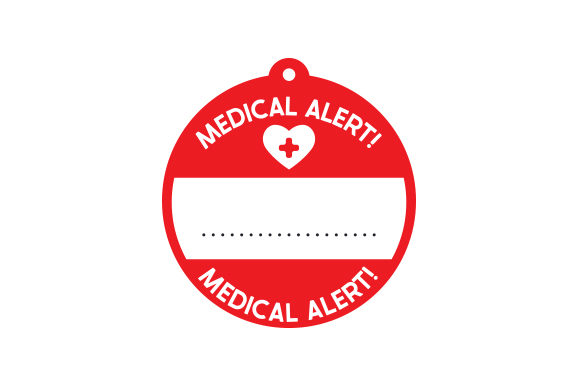
Medical Alert Tag: Crafts for Medical Blogs
As a digital publisher who has spent over a decade refining the visual identity of high-traffic blogs and editorial platforms, I approach every new graphic design asset with a critical eye. It is not enough for an image to be aesthetically pleasing; it must perform. It must communicate instantly, support the narrative, and enhance the user experience without adding cognitive load. Recently, I integrated the Medical Alert Tag into a content workflow for a health-focused lifestyle blog, and the results offered valuable insights into how specialized vector assets can elevate editorial design.
The first impression of the Medical Alert Tag is one of immediate clarity and professional urgency. In the crowded landscape of online health information, trust is the most valuable currency. This asset does not feel playful or overly decorative. Instead, it projects a modern, clean, and authoritative mood. For publishers operating in the Medical niche, this visual tone is essential. It signals to the reader that the accompanying content is serious, verified, and worthy of attention. The design avoids the clutter often found in stock imagery, offering a streamlined look that supports rather than distracts from the headline.
Elevating Blog Graphics and Visual Hierarchy
In real-world publishing scenarios, the primary challenge is often establishing a strong visual hierarchy. When I placed the Medical Alert Tag into a series of blog graphics, the effect was immediate. The tag acts as a visual anchor. Whether used in a featured image for a post about emergency preparedness or as an icon in a sidebar listing critical health resources, it draws the eye. This is crucial for content marketing strategies where click-through rates depend on split-second decisions by users scrolling through social feeds or search results.
I tested the asset across various formats. For Pinterest pin designs, which require bold, easily readable elements at small sizes, the vector nature of the file proved invaluable. Because the design scales infinitely without losing resolution, it remained crisp even when shrunk down for mobile previews. This versatility is a hallmark of a high-quality digital product. It allows creators to maintain a consistent brand identity across platforms, from large desktop banners to tiny favicon-sized icons.
Versatility in Digital Publishing Workflows
The utility of this asset extends far beyond simple blog headers. During my review, I explored its application in several key areas of digital publishing:
- Newsletter Headers: Placing the tag in email campaigns increased open rates for segments interested in health safety tips. It provided an instant contextual cue.
- Digital Guides and eBooks: As a chapter marker or section divider in downloadable PDFs, the tag helped break up text-heavy layouts, improving readability and engagement.
- Lead Magnets: I used the design in a free printable checklist for family emergency kits. The professional look enhanced the perceived value of the printable design, encouraging more sign-ups.
- Social Media Graphics: For Instagram carousels explaining medical basics, the tag served as a consistent branding element, reinforcing the account’s authority.
This adaptability makes it an excellent addition to any Canva template library. Designers can drop the SVG or PNG into pre-made layouts, knowing it will align well with both serif and sans-serif typography. I specifically tested it alongside bold display fonts for headlines and clean handwritten fonts for personal anecdotes. In both cases, the Medical Alert Tag complemented the typography without competing for attention.
Technical Specifications and File Formats
For web designers and developers, the technical delivery of an asset is just as important as its aesthetic. The Medical Alert Tag is provided in a comprehensive suite of formats that cater to different stages of the production pipeline. You receive the design as an SVG file, which is ideal for modern web design due to its small file size and scalability. This ensures fast loading times, a critical factor for SEO and user retention.
Additionally, the package includes a transparent PNG, which is perfect for quick drag-and-drop usage in tools like Canva or Photoshop where layer management might be complex. For those working in print or high-resolution editorial layouts, the EPS and DXF files are indispensable. The DXF format, in particular, opens up possibilities for Crafts and physical products, such as creating actual metal or silicone tags via cutting machines. This dual utility—digital and physical—adds significant value for small business branding owners who may sell both informational content and tangible goods.
Strategic Placement and Cautionary Notes
While the asset is versatile, it must be used with intention. It works best in hero images, article thumbnails, and dedicated resource sections. However, publishers should exercise caution when using it in text-heavy blog images or on busy backgrounds. The stark, high-contrast nature of a medical alert symbol can clash with chaotic layouts. I found that it performed poorly when placed over complex photographic backgrounds without a solid overlay or blur effect. Clean, minimal spaces allow the tag to breathe and communicate effectively.
Furthermore, consider the tone of your specific niche. While excellent for general health, emergency prep, and patient advocacy, it might feel too clinical for soft wellness or spiritual healing topics. Always preview the asset within your actual blog layout. Test it on both desktop and mobile screens to ensure it does not dominate the viewport on smaller devices. Check contrast ratios to ensure accessibility compliance, especially if using it near body text.
Enhancing Trust and Commercial Viability
From a business perspective, the Medical Alert Tag supports affiliate marketing and monetized content by boosting credibility. When readers perceive a site as professionally designed, they are more likely to trust product recommendations and click on affiliate links. The polished look of this creative design element contributes to that perception of professionalism. It signals that the publisher cares about details, which translates to trust in the information provided.
Before deploying this or any design assets on monetized websites, always confirm the commercial license terms. Ensure that your usage aligns with the permissions granted, particularly if you are incorporating the design into paid content products like courses or premium newsletters. Proper licensing protects your business and respects the creator’s work.
In conclusion, the Medical Alert Tag is more than just a clipart element; it is a strategic tool for visual communication. For bloggers, educators, and digital marketers in the health sector, it offers a way to standardize their visual language, improve click-through potential, and build a cohesive modern design system. By integrating this asset thoughtfully into your website header, social posts, and downloadable resources, you enhance the overall quality of your digital presence. It is a small investment that yields significant returns in reader engagement and brand authority.
Whether you are creating a digital guide for new parents, designing pins for a health coach, or building a resource hub for patients, this asset provides the professional edge needed in today’s competitive creative marketplace. Download, test, and integrate it to see how it transforms your content’s visual impact.