Reviewing the Vaccine Production Icons Set for Embroidery
As a designer who has spent years translating digital concepts into thread, I approach every new asset with a mix of curiosity and skepticism. We often see Graphics that look stunning on a screen but fail miserably under the needle. Recently, I evaluated the Vaccine Production Icons Set to determine its viability for real-world embroidery projects. This is not just a collection of medical symbols; it is a specific thematic toolkit that requires careful handling to ensure the final stitched product maintains professional integrity.
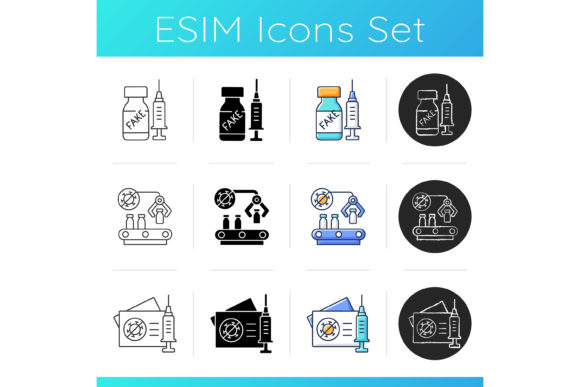
The set features linear, black, and RGB color styles depicting vaccine production, fake pharmaceutical drugs, medical production lines, medication distribution, and even Covid passport motifs. These are isolated vector illustrations provided in JPG file type. For an embroiderer, the transition from vector or high-resolution JPG to a machine-readable format is where the true test begins. My goal was to assess whether these Icons could translate effectively into a machine embroidery design suitable for custom apparel, boutique merchandise, and personalized gifts.
First Impressions: Clarity and Theme
The immediate mood of the Vaccine Production Icons Set is clinical yet modern. The linear style suggests precision, which is crucial when dealing with medical themes. Customers expect accuracy and cleanliness in healthcare-related designs. The black and RGB color options provide flexibility, but for embroidery, the line weight is the most critical factor. Thin lines in a digital illustration can easily disappear or break when converted into a running stitch or satin stitch.
I noticed that the isolation of each element allows for versatile layout options. You are not forced into a pre-made composition. This is ideal for creating custom layouts for tote bags or aprons where space might be limited. However, the complexity of some icons, such as the medication distribution chains or detailed vial labels, raises questions about stitch density. If the details are too fine, they may require excessive underlay or risk tangling on textured fabrics.
Real-World Application: The Custom Tote Bag Scenario
To test the practicality of this set, I envisioned a specific project: a canvas tote bag for a local pharmacy or a health-conscious boutique. The client wanted a subtle, professional look that communicated safety and care without being overly aggressive. I selected the vaccine vial and the medical production line icons from the set.
Using a standard 5x7 hoop size, I digitized the linear icons into a simple running stitch outline with minimal fill. On heavy canvas, this approach worked beautifully. The linear style mimicked the look of hand-drawn sketches, adding a handmade charm to the otherwise sterile subject matter. The thread colors chosen were a deep navy and a soft teal, moving away from the stark black of the original JPG to create a more inviting aesthetic. This experience highlighted that the Vaccine Production Icons Set is best suited for projects where simplicity is valued over intricate detail.
For a different application, such as a sweatshirt embroidery project, I considered using the larger icons as a central chest piece. Here, the RGB color styles could be leveraged to add vibrancy. However, one must be cautious with color transitions. In embroidery, gradual gradients are difficult to achieve without extensive blending techniques. Therefore, sticking to solid blocks of color or distinct outlines is often safer for maintaining clarity.
Navigating Fabric and Technical Challenges
While the Vaccine Production Icons Set offers strong visual potential, it is not without its technical pitfalls. Embroidery designers must consider the fabric texture and stability. Thin or stretchy fabrics, such as jersey knits used in baby clothes or t-shirts, can distort small, detailed icons. The medical production symbols, which may include small text or intricate machinery parts, could become illegible if the fabric shifts during stitching.
I strongly advise using a cut-away stabilizer for any garment that will undergo frequent washing, such as scrubs or daily-wear caps. For structured items like patches or pillow covers, a tear-away stabilizer might suffice, but testing is non-negotiable. When working with dark fabrics, the black linear style from the set will vanish. In these cases, you must invert the colors or use a contrasting thread palette. This is where the RGB versions of the graphics become useful, allowing you to pick bright, visible hues that stand out against navy or black textiles.
Another concern is the hoop size. If you are working with a small 4x4 hoop for baby embroidery or delicate accessories, you may need to scale down the icons. Reducing size increases stitch density relative to the area, which can lead to puckering. It is essential to check the stitch count and density after digitizing. If the design feels too dense, consider simplifying the icon or switching to an applique design technique where fabric pieces cover the bulk of the shape, reducing the number of stitches needed.
Commercial Viability and Brand Consistency
For Etsy sellers and small shop owners, the Vaccine Production Icons Set offers a niche opportunity. With the continued relevance of health awareness, products featuring these motifs can resonate with healthcare workers, scientists, and informed consumers. However, professionalism is paramount. A sloppy stitch-out can damage brand credibility. Ensuring that the finished product looks crisp and intentional is key to customer trust.
These icons can enhance the perceived value of items like personalized gifts for nurses, doctors, or laboratory technicians. A well-executed embroidered patch on a lab coat or a subtle icon on a high-quality tea towel can serve as a meaningful token of appreciation. The linear style lends itself well to modern, minimalist branding, which is popular among creative entrepreneurs.
When creating digital embroidery files for sale, transparency about the source material is vital. Since the original assets are JPGs, buyers will need to digitize them or purchase a pre-digitized version. If you are selling the finished physical product, ensure you have the appropriate commercial license for the design assets. Always verify the terms of use for the Vaccine Production Icons Set to avoid intellectual property issues, especially when dealing with recognizable medical symbols or trademarked concepts.
Practical Designer Notes for Best Results
Before committing to a full production run, follow these steps to ensure success with this set:
- Test on Scrap Fabric: Always stitch a sample on the same material you intend to use for the final product. This reveals issues with tension, density, and color contrast.
- Check Thread Contrast: Linear designs rely heavily on visibility. Ensure your thread color stands out against the fabric background. Test both light and dark combinations.
- Review Stitch Density: Small details can become bulky. Adjust your digitizing software to reduce density in tight areas to prevent puckering.
- Confirm Hoop Size: Make sure the icon fits comfortably within your hoop with adequate margin for stabilization.
- Inspect Small Details: Zoom in on the digitized preview. Tiny corners or sharp angles may need to be rounded slightly to prevent thread breaks.
- Use Proper Stabilizer: Match the stabilizer to the fabric weight. Heavy canvas needs less support than thin cotton or stretchy knits.
- Verify Licensing: Confirm whether the Vaccine Production Icons Set allows for commercial use in physical goods or if it is restricted to personal projects.
In conclusion, the Vaccine Production Icons Set is a versatile resource for embroidery designers willing to put in the necessary digitizing effort. Its linear style and thematic relevance make it suitable for a wide range of applications, from professional medical apparel to thoughtful handmade gifts. By respecting the technical limitations of embroidery and prioritizing quality execution, you can transform these digital graphics into tangible, high-value products that resonate with your audience.