Reviewing Transforming Future Idea Horizontal Flye
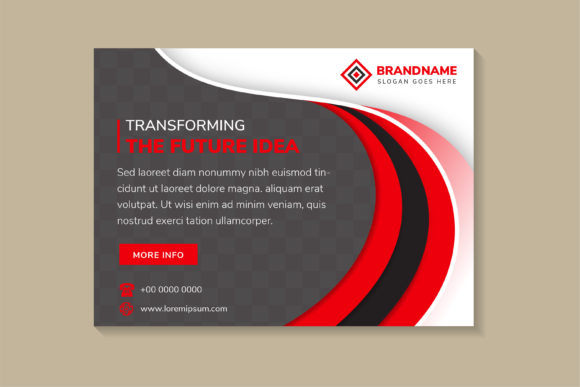
As a designer who has spent years translating digital concepts into tangible machine embroidery design projects, I approach every new asset with a mix of curiosity and skepticism. We often see templates marketed as versatile, but few truly bridge the gap between graphic design and textile application. Today, I am evaluating Transforming Future Idea Horizontal Flye, a piece categorized under Print Templates and Graphics, to determine its viability for real-world embroidery work. While originally intended as a horizontal flyer template with abstract shapes and a red wave curve, its structural elements offer intriguing possibilities for the modern craft business.
First Impressions: Mood and Visual Personality
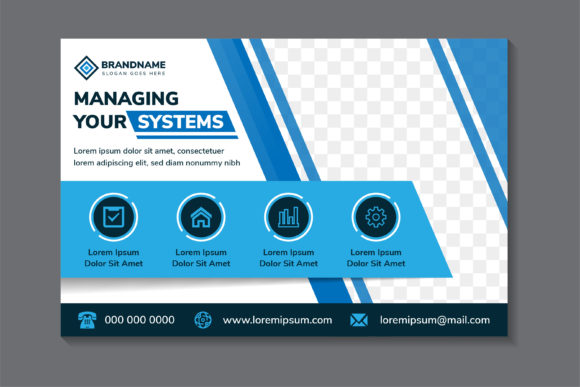
The first thing that strikes me about Transforming Future Idea Horizontal Flye is its bold, forward-thinking aesthetic. The headline "Transforming the Future Idea" sets a tone of innovation and progress. Visually, the design relies on a strong horizontal layout, which is somewhat unconventional for standard hoop-based embroidery but highly effective for wide-format applications like sweatshirt chests or tote bag panels. The abstract shape designated for photo collage space provides a natural frame, while the red wave curve introduces dynamic movement against a stark black-and-white background.
This contrast is crucial. In embroidery, we live and die by contrast. The use of black and white as primary anchors means this design can adapt to various thread palettes without losing its identity. The mood is professional yet creative, making it suitable for boutique branding or high-end personalized gifts. It does not feel like a childish or overly decorative motif; rather, it feels like a statement piece for a modern handmade product.
Real-World Application: From Screen to Stitch
To truly test the value of this asset, I imagined a specific client project: a custom branded merchandise line for a tech startup attending a conference. They needed custom apparel that looked sleek and professional, not like typical promotional swag. Here is how Transforming Future Idea Horizontal Flye performs in that scenario.
The horizontal layout is ideal for a left-chest placement on a high-quality polo or a full-front print on a premium sweatshirt embroidery project. The abstract shape, originally meant for a photo collage, can be repurposed as a solid fill area or a textured background using varied stitch density. If I were stitching this, I would likely use a satin stitch for the sharp edges of the wave curve to maintain crispness, while employing a fill stitch for the larger abstract sections to ensure coverage without excessive bulk.
For an Etsy seller or small shop owner, this design could be adapted for a modern tote bag design. The horizontal nature fits perfectly across the width of a canvas bag. Imagine this stitched in white thread on a black canvas tote, with the red wave curve replaced by a vibrant coral or deep burgundy thread to match seasonal trends. It transforms a simple bag into a fashionable accessory, increasing the perceived value of the finished product.
Versatility Across Product Categories
Beyond apparel and bags, the structural simplicity of this design allows for versatility. Consider these applications:
- Embroidered Patch: The self-contained nature of the abstract shape makes it an excellent candidate for a merit-style patch. The horizontal orientation fits well on jacket sleeves or backpacks.
- Home Decor: A pillow cover or kitchen towel could feature a simplified version of the wave element. For a holiday gift, swapping the red for green or gold could create a festive yet modern look.
- Baby Embroidery: While the text might be too complex for infant items, the abstract wave shape alone could be scaled down for a baby blanket or onesie, offering a gender-neutral, contemporary aesthetic.
Technical Considerations and Potential Pitfalls
While the visual appeal is strong, a responsible designer must address the technical challenges. Since Transforming Future Idea Horizontal Flye originates as a graphic template, it is not inherently an embroidery file. This distinction is vital. You cannot simply import a JPEG or PNG into your embroidery software and expect perfect results. The design must be digitized properly, paying close attention to stitch direction and underlay.
One major concern is the hoop size. Standard home machines often max out at 5x7 or 6x10 inches. The horizontal nature of this design may require a larger hoop or a multi-hooping technique if you intend to keep the full width and detail. For those using smaller hoops, I recommend isolating the wave curve element. It stands strong on its own as a minimalist accent.
Fabric choice is another critical factor. The design features sharp lines and potential dense areas. On stretchy fabrics like jersey knits, improper stabilization will lead to puckering. I strongly advise using a cut-away stabilizer for garments that will be washed frequently. For textured fabrics like terry cloth towels, the fine details of the abstract shape might get lost. In such cases, increasing the stitch count slightly or simplifying the inner details of the collage space will improve clarity.
Additionally, consider the "red wave curve." If you are stitching on dark fabric, ensure your red thread has enough sheen and thickness to stand out. A matte red might blend into black fabric, reducing the impact. Testing thread color contrast on scrap fabric is non-negotiable here.
Enhancing Brand Value and Customer Trust
Why does this matter for your craft business? Because consistency and professionalism build trust. Using a cohesive design language, such as the one offered by Transforming Future Idea Horizontal Flye, helps establish brand recognition. When customers see a clean, well-executed horizontal design on a personalized gift, they perceive higher quality. It moves the item from a "cute craft" to a "designer product."
For digital product sellers, this graphic can serve as a base for creating printable mockup assets. By showing how the design looks on various textiles in your online listings, you help buyers visualize the end result. This reduces hesitation and increases conversion rates. However, always clarify whether you are selling the physical embroidered item or the digital embroidery file itself. Licensing terms for original graphics do not automatically grant rights to sell the digitized version. Always confirm licensing before selling finished items or digital products derived from this template.
Practical Designer Notes for Execution
Before you commit to stitching this on a client’s expensive garment, follow these steps:
- Digitize with Care: If you are converting this graphic yourself, pay attention to the corners of the abstract shape. Use running stitch for outlining if you want a sketch-like effect, or satin stitch for a bold, polished look.
- Test Stitch Density: High density can make fabric stiff. Adjust your pull compensation to ensure the wave curve lies flat.
- Check Small Details: If the "Transforming the Future Idea" text is included, ensure it is large enough to be legible. Tiny lettering often becomes unreadable in embroidery. Consider removing the text and letting the graphic speak for itself.
- Mockup in Black and White: Since the original design uses black and white, test your digitized version in monochrome first. If it looks good in black and white, it will look great in color.
- Verify Commercial Rights: Ensure your use of the original Print Templates aligns with the creator’s license regarding derivative works in physical goods.
In conclusion, Transforming Future Idea Horizontal Flye is a compelling visual asset that, when handled with technical precision, can elevate a range of embroidery projects. It is not just a flyer; it is a design framework for modern, horizontal compositions. Whether you are creating commercial embroidery for corporate clients or unique items for your small shop product line, this design offers the structure needed for professional results. Just remember: the magic lies not in the graphic itself, but in how thoughtfully you translate it into thread and fabric.