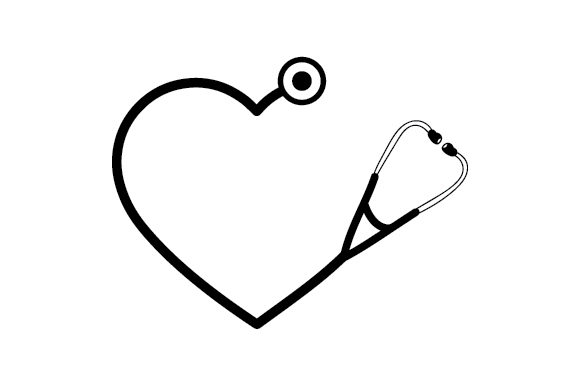
Reviewing the Medical Equipment Heart Design
As a designer who spends more time staring at stitch simulations than actual fabric, I have developed a keen eye for what works in the hoop and what looks great on screen but fails in production. When I first loaded the Medical Equipment Heart design into my software, my immediate reaction was one of cautious optimism. This is not just another generic heart icon; it carries a specific thematic weight that blends clinical precision with emotional warmth. For those of us in the Crafts industry, finding designs that bridge the gap between professional Medical aesthetics and handmade charm is a rare find.
The visual personality of this piece is clean and modern. It avoids the clutter often found in complex medical imagery, opting instead for a streamlined silhouette that suggests a heartbeat monitor or an anatomical stylization. This simplicity is its greatest strength. In the world of machine embroidery, less is often more, especially when dealing with small hoop sizes or textured fabrics. The layout feels balanced, with a clear focal point that draws the eye without overwhelming the surrounding negative space. This makes it an ideal candidate for a variety of applications, from subtle accents on custom apparel to bold statements on tote bags.
Real-World Application: The Nurse’s Tote Bag
To truly evaluate the Medical Equipment Heart, I needed to move beyond digital mockups and consider a tangible project. I envisioned creating a personalized gift for a nurse friend—a heavy canvas tote bag used for carrying scrubs and textbooks. This is a common request for Etsy sellers and small shop owners, yet it presents unique challenges. Canvas is thick, textured, and unforgiving of poor digitizing.
In this scenario, the design’s structure proved advantageous. Because the lines are distinct and the shape is recognizable even at a moderate size, it holds up well against the rough weave of canvas. I imagined using a satin stitch for the outer contours to give a raised, premium feel, while employing a fill stitch for the interior elements to ensure coverage without excessive bulk. The result would be a durable, professional-looking embroidered patch effect that withstands daily wear and tear. For a craft business owner, this translates to a high-perceived value item that justifies a higher price point.
Versatility Across Product Lines
Beyond tote bags, the versatility of this embroidery file is impressive. Consider its application in baby embroidery. A soft, pastel-colored version of the Medical Equipment Heart stitched onto a onesie or a receiving blanket makes for a thoughtful gift for healthcare professionals expecting a child. The design is gentle enough not to appear too clinical, yet specific enough to honor the parent’s profession. Here, thread colors play a crucial role. Swapping stark blacks and reds for soft teals, lavenders, or muted grays can completely shift the mood from urgent care to nurturing comfort.
For sweatshirt embroidery, the design shines on the left chest area. It is compact enough to fit comfortably within a 4x4 hoop, making it accessible for hobbyists with smaller machines. On a dark navy or black fleece, using high-contrast thread colors ensures the design pops. However, one must be mindful of stitch density. Too much density on stretchy fabrics like fleece can cause puckering. I recommend testing the design on scrap fabric first, adjusting the pull compensation if necessary, to ensure the finished product lies flat and smooth.
Cap and hat embroidery is another viable avenue, though it requires careful placement. Curved surfaces distort designs, so the symmetrical nature of the Medical Equipment Heart helps mitigate some of these visual errors. Using a running stitch for finer details can reduce bulk under the brim, preventing the uncomfortable ridge that plagues poorly digitized cap designs. For aprons, particularly those used in veterinary clinics or dental offices, this design adds a touch of personal branding. It serves as a subtle badge of pride, enhancing brand consistency for small business merchandise.
Navigating Technical Challenges
While the design is robust, it is not without its limitations. Designers must exercise caution when scaling it down for tiny items like keychains or jewelry pouches. Intricate details may merge or become indistinguishable if the stitch count is too high for the physical size. Always check the smallest element in the design against your machine’s minimum stitch length capabilities. If the design includes fine lines that mimic EKG waves or tubing, ensure they are digitized with enough width to prevent breakage during washing.
Fabric texture also dictates success. On thin, slippery fabrics like silk or rayon, a heavy stabilizer is non-negotiable. The Medical Equipment Heart relies on clean lines, and any shifting of the fabric will result in jagged edges that ruin the professional look. For dark fabrics, consider using an underlay stitch that matches the garment color to prevent the white or light-colored top threads from showing through gaps. This is a simple trick that elevates the quality of any commercial embroidery project.
Another critical consideration is the file format. You will receive this design in SVG, Transparent PNG, EPS, and DXF formats. While SVG and PNG are excellent for printing or digital use, DXF is typically used for cutting machines. For embroidery, ensure you have the correct machine-specific file (such as PES, DST, or JEF) if it is included, or use reliable conversion software if you are working from a vector source. Never assume compatibility; always verify the file type against your machine’s requirements before starting a client project.
Enhancing Visual Appeal and Brand Value
The ultimate goal of using a design like Medical Equipment Heart is to create a finished product that resonates with the buyer. In the context of holiday embroidery, such as Valentine’s Day or Nurses Week, this design offers a unique angle. It moves away from cliché hearts and offers something with narrative depth. Customers appreciate thoughtfulness. A personalized gift featuring this design tells a story about the recipient’s identity and passion.
For Etsy sellers and digital product sellers, the presentation is key. Use printable mockups to show the design on various backgrounds. Test it in black and white to ensure the silhouette remains strong without color reliance. This helps in creating versatile marketing assets that appeal to a broader audience. High-quality images of the stitched result build customer trust and demonstrate professionalism. When buyers see crisp, clean stitches and thoughtful placement, they are more likely to engage with your brand and return for future purchases.
From a business perspective, this design supports craft business growth by offering a niche product. It appeals to a specific demographic—healthcare workers, medical students, and their families—who are often underserved by generic craft offerings. By positioning this as a premium, specialized item, you can differentiate your small shop product from mass-produced alternatives. The perceived value of a well-executed embroidery project is high, allowing for better profit margins.
Final Designer Notes
Before committing to a large batch of production, always run a test stitch. Check thread color contrast against your chosen fabric. Inspect small details for clarity. Ensure your hoop size is appropriate for the design dimensions. If you are selling finished items, confirm licensing terms to ensure commercial use is permitted. If you are selling the digital embroidery file itself, provide clear instructions on recommended stabilizers and needle types to help your customers achieve the best results.
The Medical Equipment Heart is a solid addition to any designer’s library. It balances aesthetic appeal with technical feasibility, making it suitable for both novice hobbyists and experienced apparel decorators. Whether used for a simple tea towel or a complex boutique branding campaign, it delivers a consistent, professional look. By understanding its strengths and respecting its limitations, you can create handmade products that are not only visually striking but also durable and meaningful. In the end, good design is about solving problems, and this design solves the problem of how to make medical themes feel personal, warm, and stylish.